Don’t Look Back. You’re Not Going that way.

It sounds right: Don’t Look Back. You’re Not Going that way.

Right? Good advice, but bet you didn’t know it is ancient advice.

Lot and his family have been living in a city that was ruled by rapists and violent gangs. But – let’s tell the truth – Lot was not a great guy either. To protect a couple of angels from one of the city’s gangs, he offered the gang his two virgin daughters to “do to them as you please” (Gen 19:8). Lot was not great.  Lot wasn’t even okay. Lot was a faithless man.

Angels don’t need human protection. But Lot was willing to give up his daughters to a violent gang. Just so he could get a blessing from them? Who was more wicked? Lot or the violent gang?

Anyway… the angels, through supernatural means, end up protecting Lot and his family from the gang. Then they tell Lot…

Flee for your life; do not look back or stop anywhere in the plain; flee to the hills, or else you will be consumed. (Gen 19:17)

Lot argues with the angels… it really isn’t his style to rush off like this. Besides he might not make it out in time anyway. But the angels moved him outside the city and kicked his butt down the road. With him are his two daughters and wife.

But… Lot’s wife, who has to be more than a little traumatized at having her daughters offered up to a violent gang the night before and was now fleeing town without her belongings, looks back as they are leaving the city. Upon doing so she is turned to a pillar of salt. A pillar of salt! That’s sci-fi.

Was this a punishment from God? Or did she do it purposely by choice? No one seems to grieve her death.  She isn’t mentioned again in the story. She isn’t even given a name. What the heck kind of story is this anyway?

She looked back instead of looking where she was headed. Why? Perhaps because she was stuck with Lot, the scum of a man who would give up her daughters to a violent mob. Perhaps she wanted to revel in the death of the people who tried to hurt her family. Perhaps she was just curious.

I take away only questions from this story — stretching what details we have. But I wonder if Lot’s wife didn’t need to hear the following from a friend so she wouldn’t look back:

  • The trauma of the past does not predict the possibilities of the future.
  • Hoping for the punishment of evil people, only holds us back from seeing the possibilities of what is ahead.
  • Sometimes curiosity is a bad thing. Not always… but when you’ve been warned, take care.

Maybe I have a friend who needs to hear these things. Maybe I need to hear them.

At any rate… “Don’t look back. You’re not going that way.” Can’t make this story fluffy like the bunny in the picture.  Sorry… next blog will be funny and shorter. Promise! I got carried away.

What do you see in the story? You can read the original in Genesis 19.

April’s Books


Disorderly Parables

Not your ordinary Bible Studies. Each book is a parable – a story – wrapped around a biblical commentary. These stories will make you think about ancient scripture in new ways, provide insight into what is happening in the world today, surprise you with laughter as you catch a vision of the journey ahead, and energize you to live out your faith on paths you never anticipated taking.

Why Disorderly?

Jesus used parables—stories of everyday people and things—to illustrate spiritual truths. His parables were not nice tidy stories. They were disorderly and subversive.  They were meant to dismantle ideas the listener thought were truth, but were not. With the Disorderly Parables Books, you will learn like Jesus taught, through stories of everyday people and things. You will walk away with both a story that will challenge you and a thorough understanding of the scripture. The books also contain a discussion guide designed for groups who want read the book together.

Francis Cover    DI Small    James Cover

Bibliologist

Read other reviews here

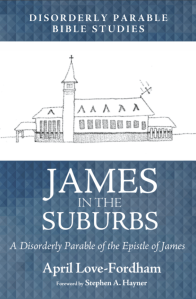
James in the Suburbs

“James in the Suburbs” uses the antics of a soul searching, fun loving suburban Bible Study Group to illustrate the teachings of the Epistle of James.

The Epistle of James is a letter from James, who was likely the brother of Jesus. He was writing to a group of 1st century Christians, who were having to figure out what it meant to follow Jesus while dealing with a lot of problems.

Around the study is wrapped the story of six men and women living in the suburbs of Atlanta, Georgia whose lives were changed by the teachings of James.

The book contains a discussion plan for those wanting to study it as a group.

Click here to print out a flyer for this book or here to read the first three chapters (compliments of Wipf and Stock Publishers).

Available at Amazon and Wipf and Stock.

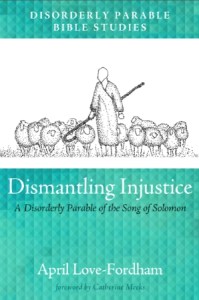
Dismantling Injustice

“Dismantling Injustice” uses the story of an African-American congressman coming to age during the civil rights movement to illustrate the Song of Solomon.

The Song of Solomon is an ancient Hebrew opera found in the Old Testament. It was written as a rallying cry to the Northern Kingdom, encouraging the inhabitants to resist King Solomon’s unjust rule.

Around the study is wrapped a story which takes place in the halls of Washington, D.C. as an African-American congressman recounts his life.

The book contains a discussion plan for those wanting to study it as a group.

Click here to print out a flyer for this book and here to read the first three chapters (compliments of Wipf & Stock Publishers).

Available at Amazon and Wipf and Stock.

St. Francis & the Christian Life – Galatians

“St Francis and the Christian Life” uses the fascinating, mystical life of St. Francis to illustrate the lessons found in the Epistle to the Galatians.

It looks at the question: “How do we live the Christian Life?” This was the question that the author and her husband walked with as they retraced the footsteps of St. Francis across the Italian wilderness. Did they need to renounce materialism and live more simply? Did they need to do more work serving those in need? Was more Bible study or a stronger prayer life needed? What made their commitment to Christ different than those committed to other faiths? How could their lives make a difference?

The author was planning a lecture series on Galatians, written by the Apostle Paul, when she and her husband began their pilgrimage. As they journeyed into the life and legends of St. Francis, a playful old school Franciscan monk befriended them. Together the three named the parallels and divergences in the lives of St. Francis and the Apostle Paul. In doing so, they discovered an entirely new—but ancient—way of following Jesus.

The book contains a discussion plan for those wanting to study it as a group.

Available at Wipf and Stock and Amazon. Digital versions available too.

Click here to read the first three chapters (compliments of Wipf and Stock Publishers). Click here (coming soon) to print out a flyer for this book.

Goodreads badge add plus

Dismantling Injustice – Song of Solomon

“Dismantling Injustice” uses the story of an African-American congressman coming to age during the civil rights movement to illustrate the Song of Solomon.

The Song of Solomon is an ancient Hebrew opera found in the Old Testament. It was written as a rallying cry to the Northern Kingdom, encouraging the inhabitants to resist King Solomon’s unjust rule.

Around the study is wrapped a story which takes place in the halls of Washington, D.C. as an African-American congressman recounts his life.

The book contains a discussion plan for those wanting to study it as a group.

Loveable Sounds Podcast interview with April Love-Fordham on Dismantling Injustice.

Available at Amazon and Wipf and Stock.

Click here to print out a flyer for this book and here to read the first three chapters (compliments of Wipf and Stock Publishers).

Goodreads badge add plus

St. Francis

“St Francis and the Christian Life” uses the fascinating, mystical life of St. Francis to illustrate the lessons found in the Epistle to the Galatians.

It looks at the question: “How do we live the Christian Life?” This was the question that the author and her husband walked with as they retraced the footsteps of St. Francis across the Italian wilderness. Did they need to renounce materialism and live more simply? Did they need to do more work serving those in need? Was more Bible study or a stronger prayer life needed? What made their commitment to Christ different than those committed to other faiths? How could their lives make a difference?

The author was planning a lecture series on Galatians, written by the Apostle Paul, when she and her husband began their pilgrimage. As they journeyed into the life and legends of St. Francis, a playful old school Franciscan monk befriended them. Together the three named the parallels and divergences in the lives of St. Francis and the Apostle Paul. In doing so, they discovered an entirely new—but ancient—way of following Jesus!

The book contains a discussion plan for those wanting to study it as a group.

Available at Amazon and Wipf and Stock.

Click here to read the first three chapters (compliments of Wipf and Stock Publishers).

James in the Suburbs – Epistle of James

“James in the Suburbs,” awarded five stars by the Reader’s Favorite Review and the 2019 Readers’ Favorite Silver Medal for Christian Devotion/Study, uses the antics of a soul searching, fun loving suburban Bible study group to illustrate the teachings of the Epistle of James.

The Epistle of James is a letter from James, who was likely the brother of Jesus. He was writing to a group of 1st century Christians, who were having to figure out what it meant to follow Jesus while dealing with a lot of problems.

Around the study is wrapped the story of six men and women living in the suburbs of Atlanta, Georgia whose lives were turned upside down by the teachings of James.

The book contains a discussion plan for those wanting to study it as a group.

Available at Amazon and Wipf and Stock.

Click here to print out a flyer for this book or here to read the first three chapters (compliments of Wipf and Stock Publishers).

Goodreads badge add plus